
如何让 MyBatis 批量插入从5分钟缩短到3秒?我的三个关键优化
👉 这是一个或许对你有用的社群
🐱 一对一交流/面试小册/简历优化/求职解惑,欢迎加入「芋道快速开发平台」知识星球。下面是星球提供的部分资料:
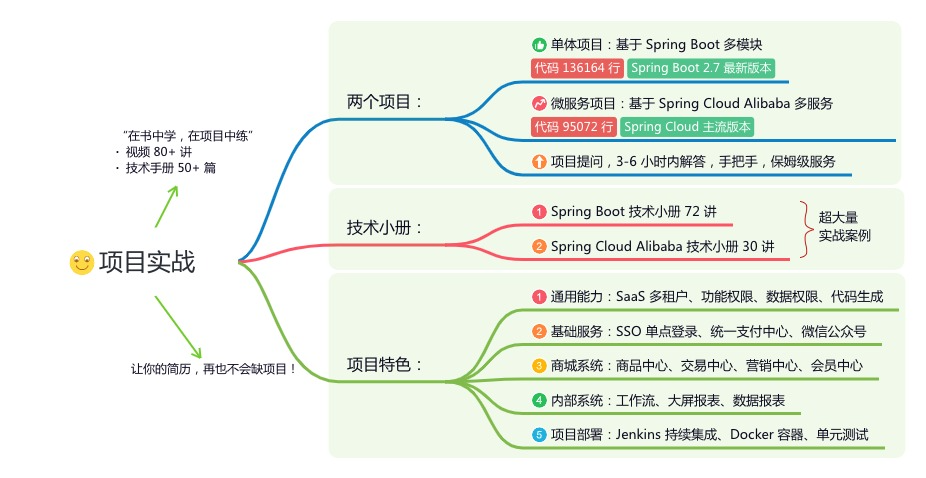
《项目实战(视频)》:从书中学,往事上“练”
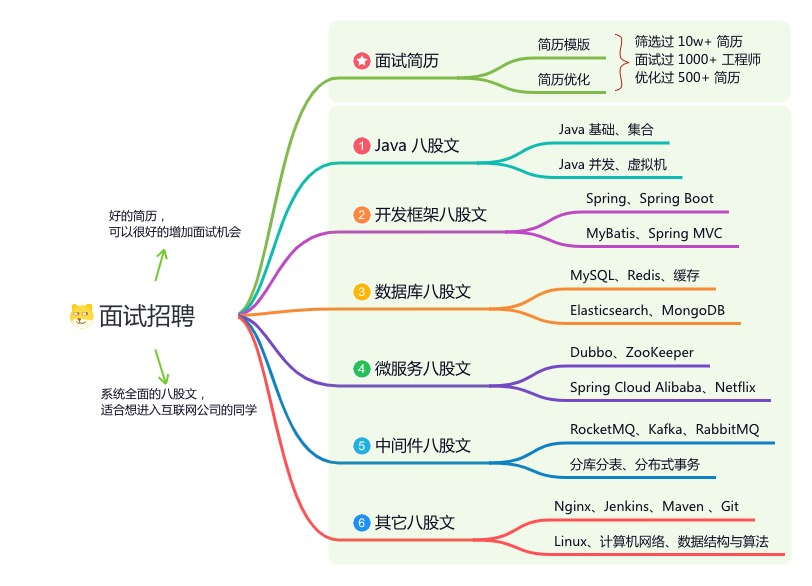
《互联网高频面试题》:面朝简历学习,春暖花开
《架构 x 系统设计》:摧枯拉朽,掌控面试高频场景题
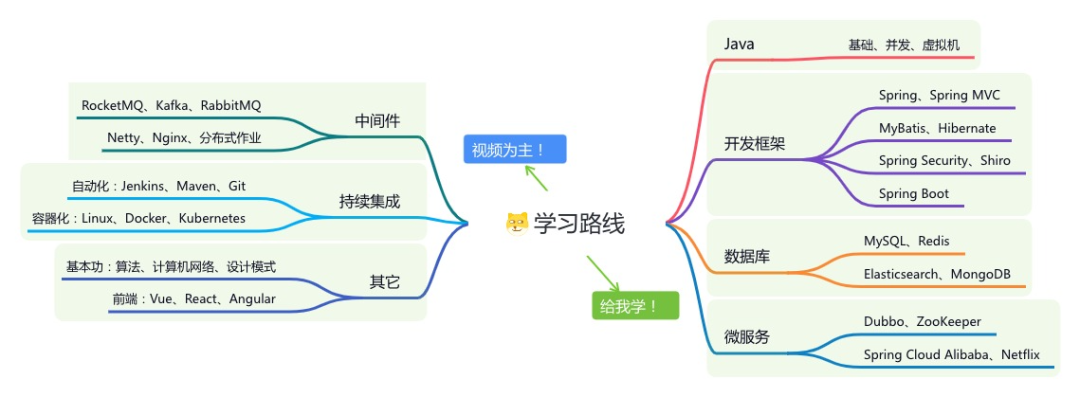
《精进 Java 学习指南》:系统学习,互联网主流技术栈
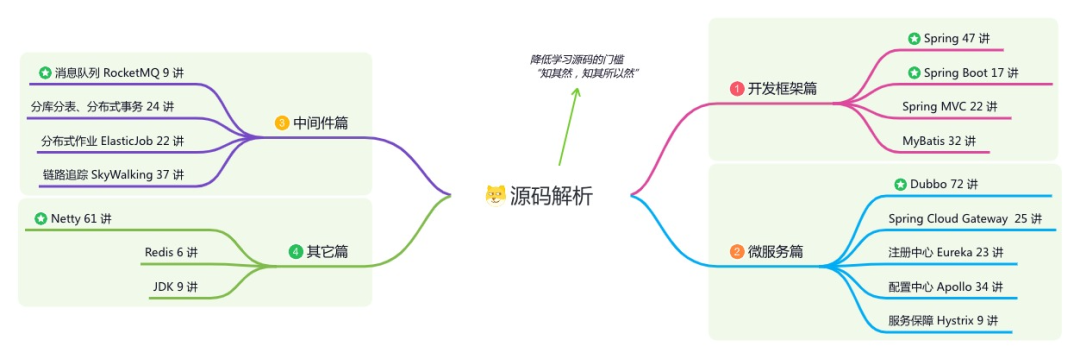
《必读 Java 源码专栏》:知其然,知其所以然
👉这是一个或许对你有用的开源项目
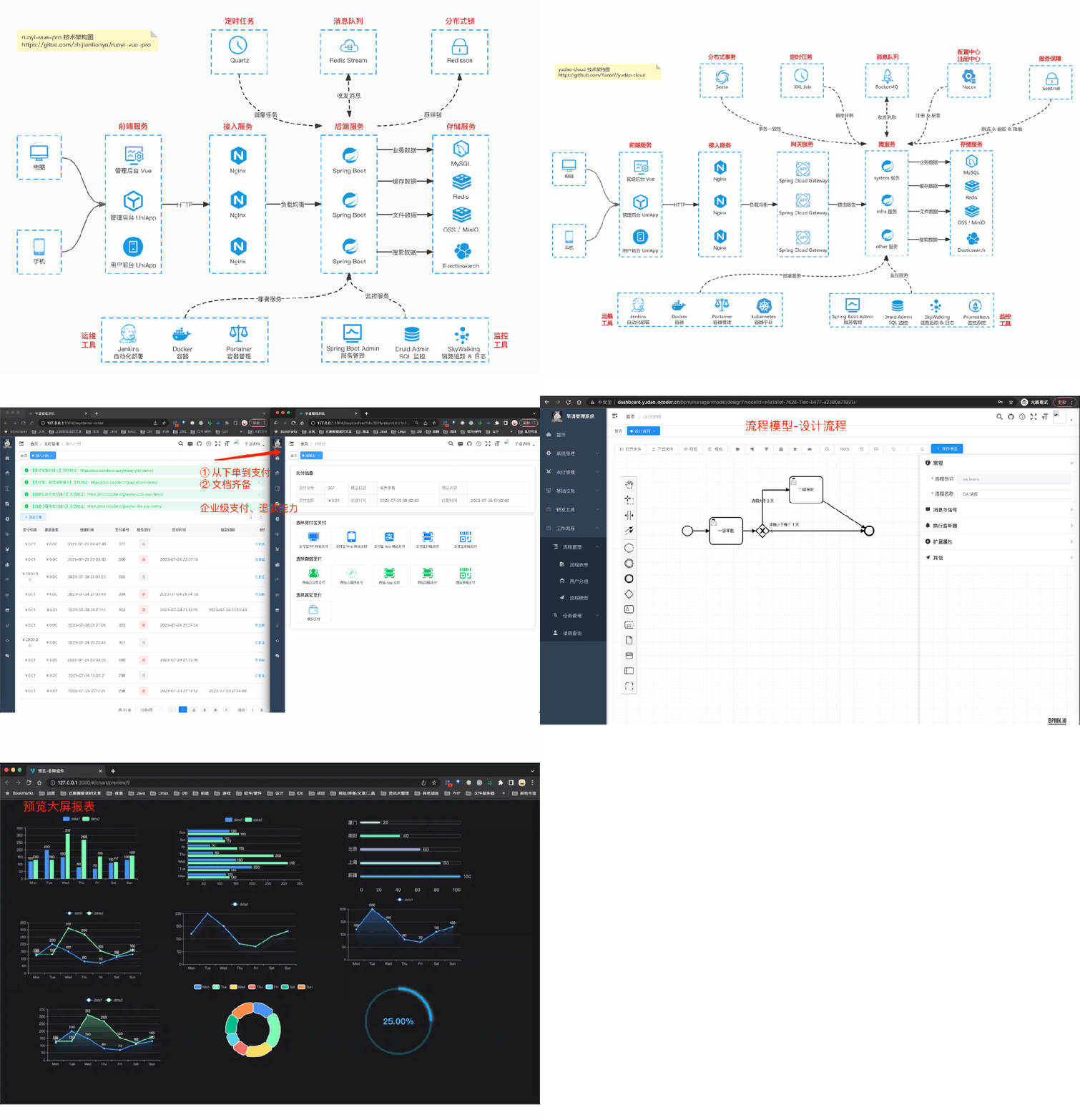
国产Star破10w的开源项目,前端包括管理后台、微信小程序,后端支持单体、微服务架构
RBAC权限、数据权限、SaaS多租户、商城、支付、工作流、大屏报表、ERP、CRM、AI大模型、IoT物联网等功能:
多模块:https://gitee.com/zhijiantianya/ruoyi-vue-pro
微服务:https://gitee.com/zhijiantianya/yudao-cloud
视频教程:https://doc.iocoder.cn
【国内首批】支持 JDK17/21+SpringBoot3、JDK8/11+Spring Boot2双版本
来源:blog.csdn.net/zhangxianhau/
上周接了个数据迁移的活,要把10万条数据从老系统导入新系统。
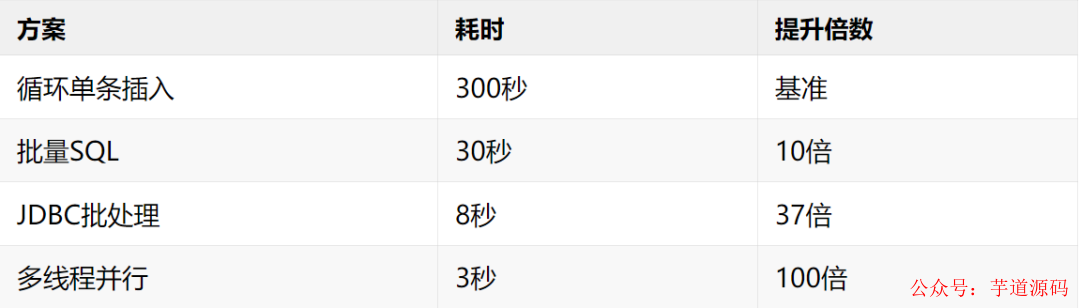
写了个简单的批量插入,跑起来一看——5分钟。
领导说太慢了,能不能快点?
折腾了一下午,最后优化到3秒,记录一下过程。
最初的代码(5分钟)
最开始写的很简单,foreach循环插入:
// 方式1:循环单条插入(最慢)
for (User user : userList) {
    userMapper.insert(user);
}
10万条数据,每条都要走一次网络请求、一次SQL解析、一次事务提交。
算一下:假设每条插入需要3ms,10万条就是300秒 = 5分钟。
这是最蠢的写法,但我见过很多项目都这么写。
基于 Spring Boot + MyBatis Plus + Vue & Element 实现的后台管理系统 + 用户小程序,支持 RBAC 动态权限、多租户、数据权限、工作流、三方登录、支付、短信、商城等功能
项目地址:https://github.com/YunaiV/ruoyi-vue-pro
视频教程:https://doc.iocoder.cn/video/
第一次优化:批量SQL(30秒)
把循环插入改成批量SQL:
<!-- Mapper.xml -->
<insertid="batchInsert">
    INSERTINTOuser (name, age, email) VALUES
    <foreachcollection="list"item="item"separator=",">
        (#{item.name}, #{item.age}, #{item.email})
    </foreach>
</insert>
// 分批插入,每批1000条
int batchSize = 1000;
for (int i = 0; i < userList.size(); i += batchSize) {
    int end = Math.min(i + batchSize, userList.size());
    List<User> batch = userList.subList(i, end);
    userMapper.batchInsert(batch);
}
从5分钟降到30秒,提升10倍。
原理:一条SQL插入多条数据,减少网络往返次数。
但还有问题:30秒还是太慢。
基于 Spring Cloud Alibaba + Gateway + Nacos + RocketMQ + Vue & Element 实现的后台管理系统 + 用户小程序,支持 RBAC 动态权限、多租户、数据权限、工作流、三方登录、支付、短信、商城等功能
项目地址:https://github.com/YunaiV/yudao-cloud
视频教程:https://doc.iocoder.cn/video/
第二次优化:JDBC批处理(8秒)
MySQL有个参数叫rewriteBatchedStatements,开启后可以把多条INSERT合并成一条。
第一步:修改数据库连接URL
jdbc:mysql://localhost:3306/test?rewriteBatchedStatements=true第二步:使用MyBatis的批处理模式
@Autowired
private SqlSessionFactory sqlSessionFactory;

publicvoidbatchInsertWithExecutor(List<User> userList){
    try (SqlSession sqlSession = sqlSessionFactory.openSession(ExecutorType.BATCH)) {
        UserMapper mapper = sqlSession.getMapper(UserMapper.class);

        int batchSize = 1000;
        for (int i = 0; i < userList.size(); i++) {
            mapper.insert(userList.get(i));

            if ((i + 1) % batchSize == 0) {
                sqlSession.flushStatements();
                sqlSession.clearCache();
            }
        }
        sqlSession.flushStatements();
        sqlSession.commit();
    }
}
从30秒降到8秒。
原理:ExecutorType.BATCH模式下,MyBatis会缓存SQL,最后一次性发送给数据库执行。配合rewriteBatchedStatements=true,MySQL驱动会把多条INSERT合并。
第三次优化:多线程并行(3秒)
8秒还是不够快,上多线程:
public void parallelBatchInsert(List<User> userList){
    int threadCount = 4;  // 根据数据库连接池大小调整
    int batchSize = userList.size() / threadCount;

    ExecutorService executor = Executors.newFixedThreadPool(threadCount);
    List<Future<?>> futures = new ArrayList<>();

    for (int i = 0; i < threadCount; i++) {
        int start = i * batchSize;
        int end = (i == threadCount - 1) ? userList.size() : (i + 1) * batchSize;
        List<User> subList = userList.subList(start, end);

        futures.add(executor.submit(() -> {
            batchInsertWithExecutor(subList);
        }));
    }

    // 等待所有任务完成
    for (Future<?> future : futures) {
        try {
            future.get();
        } catch (Exception e) {
            thrownew RuntimeException(e);
        }
    }

    executor.shutdown();
}
从8秒降到3秒。
注意事项:
-
线程数不要超过数据库连接池大小
-
如果需要事务一致性,这个方案不适用
-
要考虑主键冲突的问题
优化效果对比
踩过的坑
坑1:foreach拼接SQL过长
<foreach collection="list" item="item" separator=",">如果一次插入太多条,SQL会非常长,可能超过max_allowed_packet限制。
解决: 分批插入,每批500-1000条。
坑2:rewriteBatchedStatements不生效
检查几个点:
-
URL参数是否正确:
rewriteBatchedStatements=true -
是否使用了
ExecutorType.BATCH -
MySQL驱动版本是否太旧
坑3:自增主键返回问题
批量插入时想获取自增主键:
<insert id="batchInsert" useGeneratedKeys="true" keyProperty="id">注意:rewriteBatchedStatements=true时,自增主键返回可能有问题,需要升级MySQL驱动到8.0.17+。
坑4:内存溢出
10万条数据一次性加载到内存,可能OOM。
解决:分页读取 + 分批插入。
int pageSize = 10000;
int total = countTotal();
for (int i = 0; i < total; i += pageSize) {
    List<User> page = selectByPage(i, pageSize);
    batchInsertWithExecutor(page);
}
最终方案代码
@Service
publicclass BatchInsertService {

    @Autowired
    private SqlSessionFactory sqlSessionFactory;

    /**
     * 高性能批量插入
     * 10万条数据约3秒
     */
    publicvoidhighPerformanceBatchInsert(List<User> userList){
        if (userList == null || userList.isEmpty()) {
            return;
        }

        int threadCount = Math.min(4, Runtime.getRuntime().availableProcessors());
        int batchSize = (int) Math.ceil((double) userList.size() / threadCount);

        ExecutorService executor = Executors.newFixedThreadPool(threadCount);
        CountDownLatch latch = new CountDownLatch(threadCount);

        for (int i = 0; i < threadCount; i++) {
            int start = i * batchSize;
            int end = Math.min((i + 1) * batchSize, userList.size());

            if (start >= userList.size()) {
                latch.countDown();
                continue;
            }

            List<User> subList = new ArrayList<>(userList.subList(start, end));

            executor.submit(() -> {
                try {
                    doBatchInsert(subList);
                } finally {
                    latch.countDown();
                }
            });
        }

        try {
            latch.await();
        } catch (InterruptedException e) {
            Thread.currentThread().interrupt();
        }

        executor.shutdown();
    }

    privatevoiddoBatchInsert(List<User> userList){
        try (SqlSession sqlSession = sqlSessionFactory.openSession(ExecutorType.BATCH, false)) {
            UserMapper mapper = sqlSession.getMapper(UserMapper.class);

            for (int i = 0; i < userList.size(); i++) {
                mapper.insert(userList.get(i));

                if ((i + 1) % 1000 == 0) {
                    sqlSession.flushStatements();
                    sqlSession.clearCache();
                }
            }

            sqlSession.flushStatements();
            sqlSession.commit();
        }
    }
}
总结
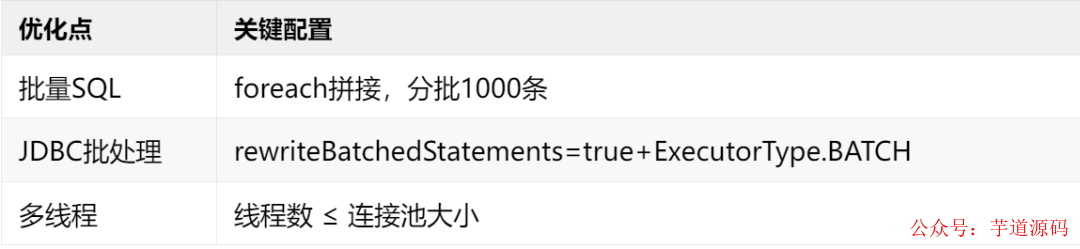
核心原则: 减少网络往返 + 减少事务次数 + 并行处理。
欢迎加入我的知识星球,全面提升技术能力。
👉 加入方式,“长按”或“扫描”下方二维码噢:

星球的内容包括:项目实战、面试招聘、源码解析、学习路线。
文章有帮助的话,在看,转发吧。
谢谢支持哟 (*^__^*)
汇聚全球AI编程工具,助力开发者即刻编程。
更多推荐



 0
0 0
0- 0


 已为社区贡献25条内容

所有评论(0)