
java基础10——为什么重写equals方法的时候必须要重写hashCode方法
前言
Java 是一门面向对象的编程语言,所有的类都会默认继承自 Object 类,而 Object 的中文意思就是“对象”。
Object 类中有这么两个方法:
public native int hashCode();

public boolean equals(Object obj) {
    return (this == obj);
}
1)hashCode 方法
这是一个本地方法,用来返回对象的哈希值(一个整数)。在 Java 程序执行期间,对同一个对象多次调用该方法必须返回相同的哈希值。
2)equals 方法
对于任何非空引用 x 和 y,当且仅当 x 和 y 引用的是同一个对象时,equals 方法才返回 true。
这时候可能就疑惑了,看起来两个方法之间没有任何关联啊?
单从这两段解释上来看,的确是这样的。
但两个方法的 doc 文档中还有下述两条信息。
第一,如果两个对象调用 equals 方法返回的结果为 true,那么两个对象调用 hashCode 方法返回的结果也必然相同——来自 hashCode 方法的 doc 文档。
第二,每当重写 equals 方法时,hashCode 方法也需要重写,以便维护上一条规约。
这样讲的话,两个方法确实关联上了,但究竟是为什么呢?
hashCode 方法的作用是用来获取哈希值,而该哈希值的作用是用来确定对象在哈希表中的索引位置
哈希表的典型代表就是 HashMap,它存储的是键值对,能根据键快速地检索出对应的值。
public V get(Object key) {
    HashMap.Node<K,V> e;
    return (e = getNode(hash(key), key)) == null ? null : e.value;
}
这是 HashMap 的 get 方法,通过键来获取值的方法。它会调用 getNode 方法:
final HashMap.Node<K,V> getNode(int hash, Object key) {
    HashMap.Node<K,V>[] tab; HashMap.Node<K,V> first, e; int n; K k;
    // 判断 HashMap 的 table 是否为 null 以及 table 长度是否大于 0
    if ((tab = table) != null && (n = tab.length) > 0 &&
            // 根据 hash 值计算出在 table 中的索引位置,并获取第一个节点
            (first = tab[(n - 1) & hash]) != null) {
        // 判断第一个节点的 hash 值是否与给定 hash 相等,如果相等,则检查 key 是否相等
        if (first.hash == hash &&
                ((k = first.key) == key || (key != null && key.equals(k))))
            return first;
        // 如果不相等,获取当前节点的下一个节点
        if ((e = first.next) != null) {
            // 如果当前节点为 TreeNode 类型(红黑树),则调用 TreeNode 的 getTreeNode 方法查找
            if (first instanceof HashMap.TreeNode)
                return ((HashMap.TreeNode<K,V>)first).getTreeNode(hash, key);
            // 如果不是红黑树节点,遍历链表查找
            do {
                if (e.hash == hash &&
                        ((k = e.key) == key || (key != null && key.equals(k))))
                    return e;
            } while ((e = e.next) != null);
        }
    }
    // 如果没有找到对应的节点,则返回 null
    return null;
}
通常情况(没有发生哈希冲突)下,first = tab[(n - 1) & hash] 就是键对应的值。按照时间复杂度来说的话,可表示为 O(1)。
如果发生哈希冲突,也就是 if ((e = first.next) != null) {} 子句中,可以看到如果节点不是红黑树的时候,会通过 do-while 循环语句判断键是否 equals 返回对应值的。按照时间复杂度来说的话,可表示为 O(n)。
HashMap 是通过拉链法来解决哈希冲突的,也就是如果发生哈希冲突,同一个键的坑位会放好多个值,超过 8 个值后改为红黑树,为了提高查询的效率。
显然,从时间复杂度上来看的话 O(n) 比 O(1) 的性能要差,这也正是哈希表的价值所在。
如果没有哈希表,但又需要这样一个数据结构,它里面存放的数据是不允许重复的,该怎么办呢?
使用 equals 方法进行逐个比较?这种方法当然是可行的,就像 if ((e = first.next) != null) {} 子句中那样,但如果数据量特别特别大,性能就会很差,最好的解决方案还是 HashMap。
HashMap 本质上是通过数组实现的,当我们要从 HashMap 中获取某个值时,实际上是要获取数组中某个位置的元素,而位置是通过键来确定的。
public V put(K key, V value) {
    return putVal(hash(key), key, value, false, true);
}
这是 HashMap 的 put 方法,会将键值对放入到数组当中。它会调用 putVal 方法:
final HashMap.Node<K,V> getNode(int hash, Object key) {
    HashMap.Node<K,V>[] tab; HashMap.Node<K,V> first, e; int n; K k;
    // 判断 HashMap 的 table 是否为 null 以及 table 长度是否大于 0
    if ((tab = table) != null && (n = tab.length) > 0 &&
            // 根据 hash 值计算出在 table 中的索引位置,并获取第一个节点
            (first = tab[(n - 1) & hash]) != null) {
        // 判断第一个节点的 hash 值是否与给定 hash 相等,如果相等,则检查 key 是否相等
        if (first.hash == hash &&
                ((k = first.key) == key || (key != null && key.equals(k))))
            return first;
        // 如果不相等,获取当前节点的下一个节点
        if ((e = first.next) != null) {
            // 如果当前节点为 TreeNode 类型(红黑树),则调用 TreeNode 的 getTreeNode 方法查找
            if (first instanceof HashMap.TreeNode)
                return ((HashMap.TreeNode<K,V>)first).getTreeNode(hash, key);
            // 如果不是红黑树节点,遍历链表查找
            do {
                if (e.hash == hash &&
                        ((k = e.key) == key || (key != null && key.equals(k))))
                    return e;
            } while ((e = e.next) != null);
        }
    }
    // 如果没有找到对应的节点,则返回 null
    return null;
}
通常情况下,p = tab[i = (n - 1) & hash]) 就是键对应的值。而数组的索引 (n - 1) & hash 正是基于 hashCode 方法计算得到的。
static final int hash(Object key) {
    int h;
    return (key == null) ? 0 : (h = key.hashCode()) ^ (h >>> 16);
}
接下来进入讲解:为什么重写 equals 方法的时候要重写 hashCode 方法呀?
看下面代码
public class Test {
    public static void main(String[] args) {
        Student s1 = new Student(18, "张三");
        Map<Student, Integer> scores = new HashMap<>();
        scores.put(s1, 98);

        Student s2 = new Student(18, "张三");
        System.out.println(scores.get(s2));
    }
}
 class Student {
    private int age;
    private String name;

     public Student(int age, String name) {
         this.age = age;
         this.name = name;
     }

     @Override
     public boolean equals(Object o) {
         Student student = (Student) o;
         return age == student.age &&
                 Objects.equals(name, student.name);
     }
 }
我们重写了 Student 类的 equals 方法,如果两个学生的年纪和姓名相同,我们就认为是同一个学生,虽然很离谱,但我们就是这么草率。
在 main 方法中,18 岁的张三考试得了 98 分,很不错的成绩,我们把张三和他的成绩放到 HashMap 中,然后准备取出:
null
怎么输出了 null,而不是预期当中的 98 呢?
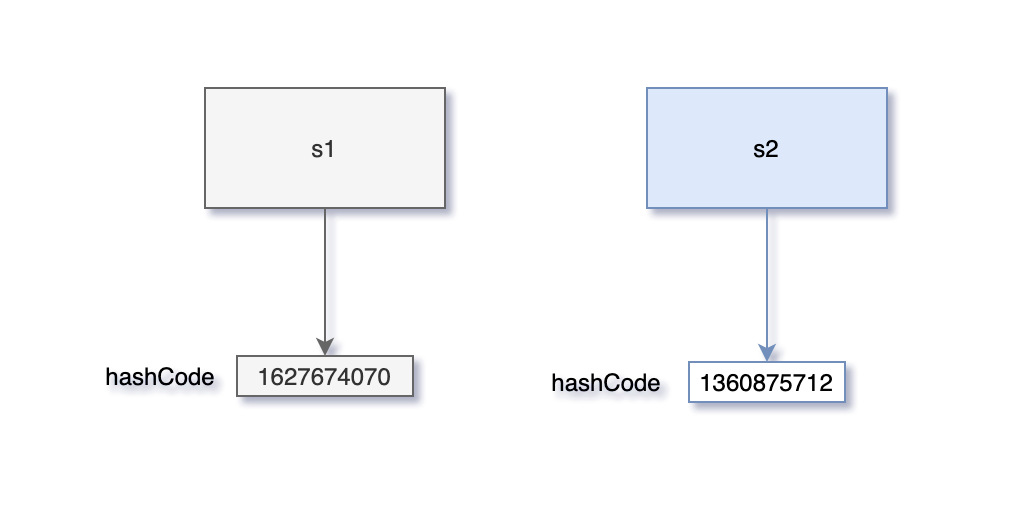
原因就在于重写 equals 方法的时候没有重写 hashCode 方法。”我回答道,“equals 方法虽然认定名字和年纪相同就是同一个学生,但它们本质上是两个对象,hashCode 并不相同。
那怎么重写 hashCode 方法呢?
可以直接调用 Objects 类的 hash 方法。
 @Override
 public int hashCode() {
     return Objects.hash(age, name);
 }
Objects 类的 hash 方法可以针对不同数量的参数生成新的哈希值,hash 方法调用的是 Arrays 类的 hashCode 方法,该方法源码如下:
public static int hashCode(Object a[]) {
 if (a == null)
     return 0;

 int result = 1;

 for (Object element : a)
     result = 31 * result + (element == null ? 0 : element.hashCode());

 return result;
}
第一次循环:
result = 31*1 + Integer(18).hashCode();
第二次循环:
result = (31*1 + Integer(18).hashCode()) * 31 + String("张三").hashCode();
针对姓名年纪不同的对象,这样计算后的哈希值很难很难很难重复的;针对姓名年纪相同的对象,哈希值保持一致。
再次执行 main 方法,结果如下所示:
98
因为此时 s1 和 s2 对象的哈希值都为 776408。
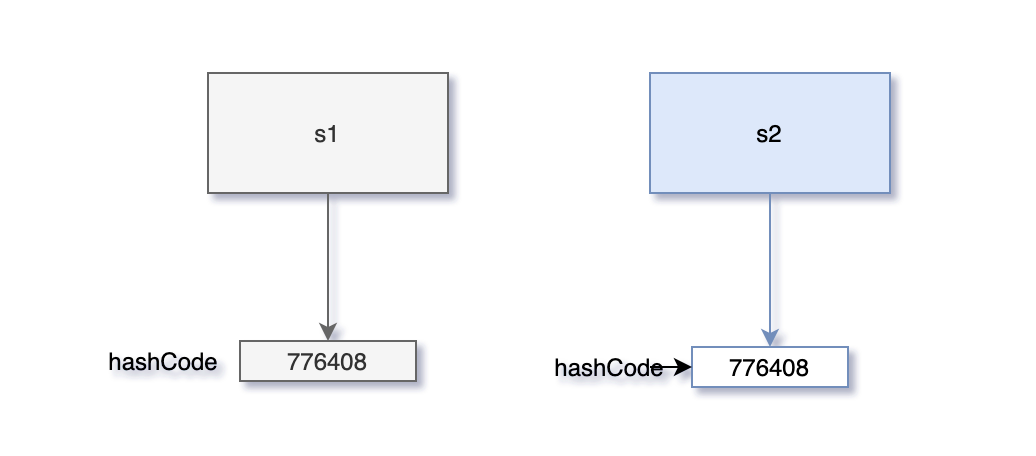
每当重写 equals 方法时,hashCode 方法也需要重写,原因就是为了保证:如果两个对象调用 equals 方法返回的结果为 true,那么两个对象调用 hashCode 方法返回的结果也必然相同。
参考链接:
https://javabetter.cn/basic-extra-meal/equals-hashcode.html

汇聚全球AI编程工具,助力开发者即刻编程。
更多推荐
 8
8 0
0- 0


 已为社区贡献1条内容

所有评论(0)